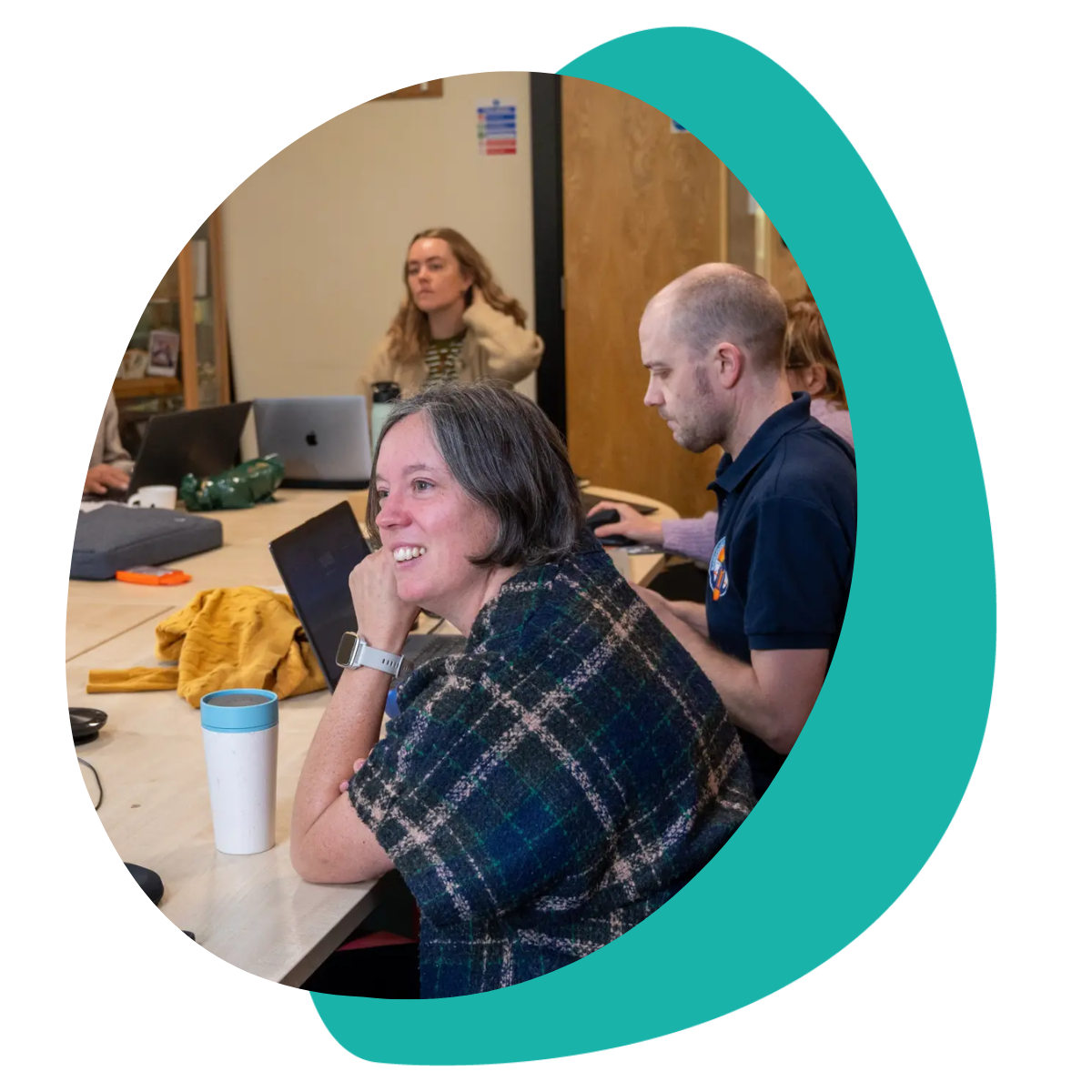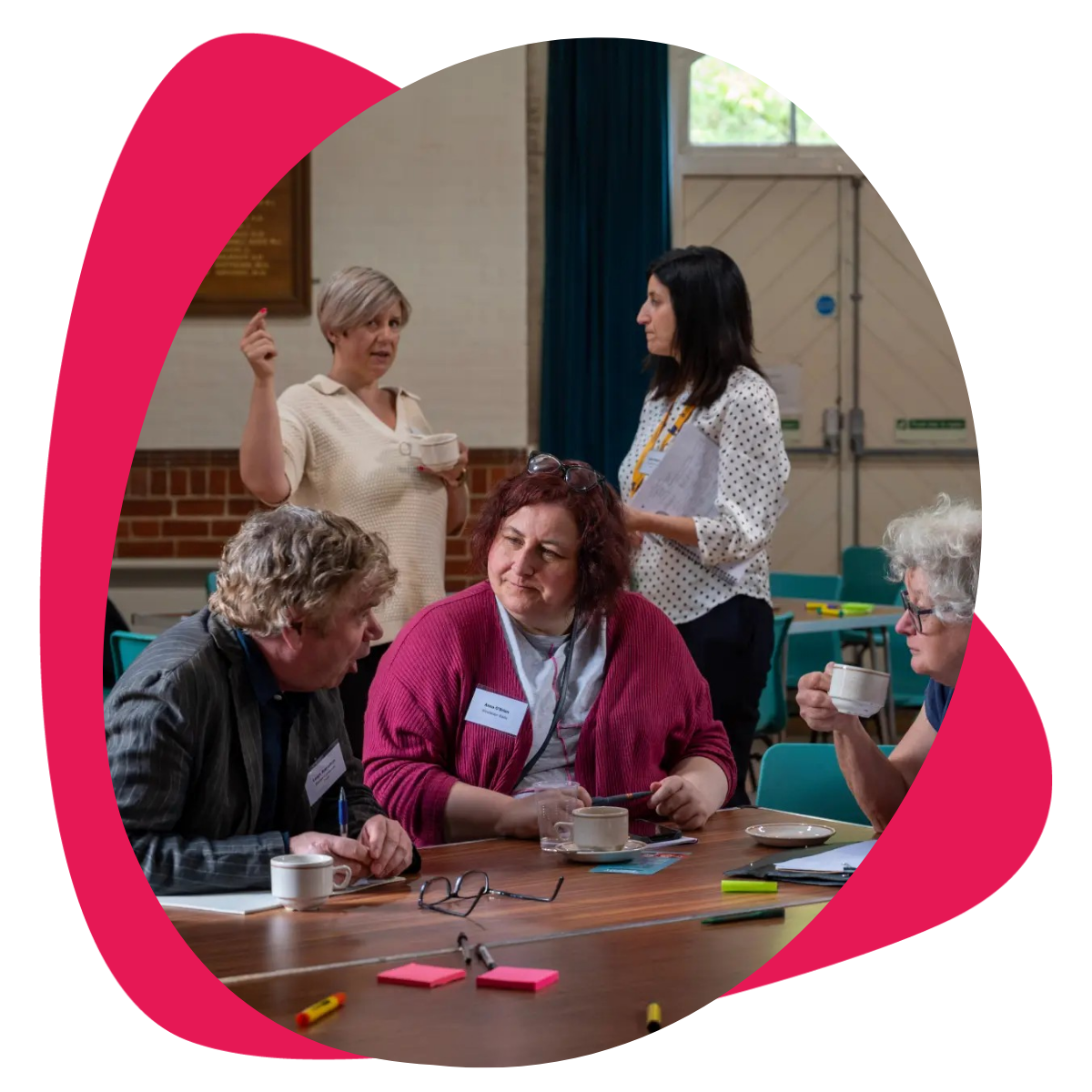
For all organisations and in our communities, safeguarding is everyone’s business. This can most often be the case for organisations in the VCSE sector as well as for community buildings due to the nature of our interactions with beneficiaries and people in our communities respectively.
So, why is it everyone’s business? The simple answer is that in many circumstances that have led to serious harm and even death of adults or children – whether through self-harm, the actions of another or neglect – they have had interactions with people or organisations that have not flagged up concerns about their welfare that they have seen, or have missed warning signs that could have been picked up with better awareness.
Appoint a designated lead
Every VCSE organisation and community building should have a designated lead for safeguarding both paid staff if you have them and on your board. This person (you can have more than one) will be the advisor to other people in your organisation on safeguarding issues and support them to take the right actions that they need to do to raise any concerns. They have the responsibility to keep up to date with safeguarding legislation and have an understanding of the practices that should be followed to raise concerns. This does not mean that these leads are the only people who should raise concerns but they are the advisors available to others when they are not sure what to do.
No question is a ‘silly’ one
Key support is available from the local children and adults safeguarding teams at your local authorities so having their contact details available for people in your organisation to get advice and support from them can be key. An important thing to consider is that where safeguarding is concerned, no question is a silly one and it is important that you log that you have made any query.
Guidance is available
The local safeguarding adults board and local safeguarding children partnership also provides vast amounts of guidance for organisations regarding good practice and can be contacted for advice as how to best embed good practices into your organisation. Links to the guidance can be seen below.
Support is available from the Charities Commission and the NCVO (National Council for Voluntary Organisations) run training courses.
Follow this link for Charities Commission
Follow this link for NCVO training
Outside of our organisations, good embedded safeguarding practice can also help people in their personal lives and can support the abilities of people to help with potential safeguarding issues relating to family members, friends or people that you meet when you’re out and about.
Safeguarding truly is everyone’s responsibility and embedding that in your organisation can make a real difference to people’s lives.