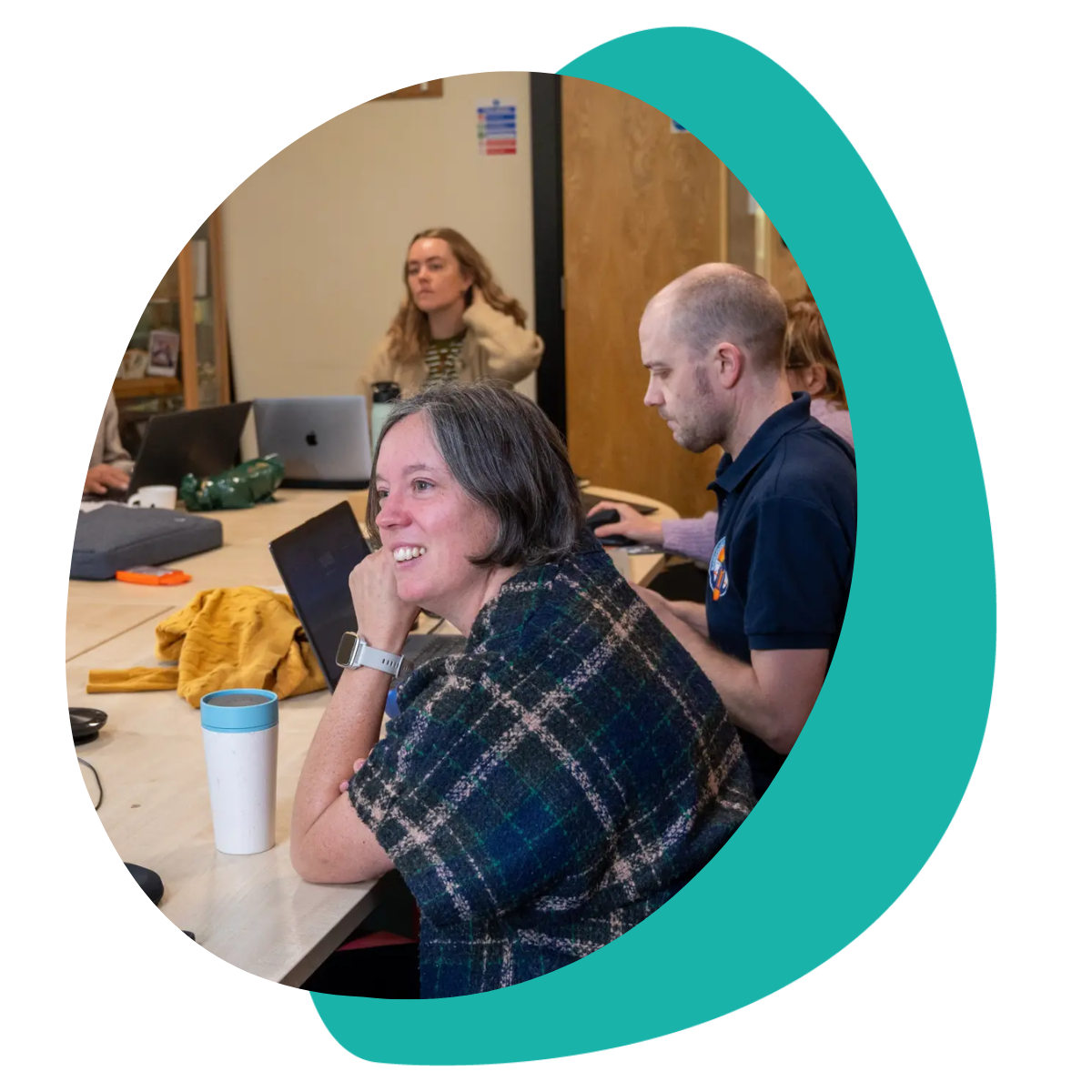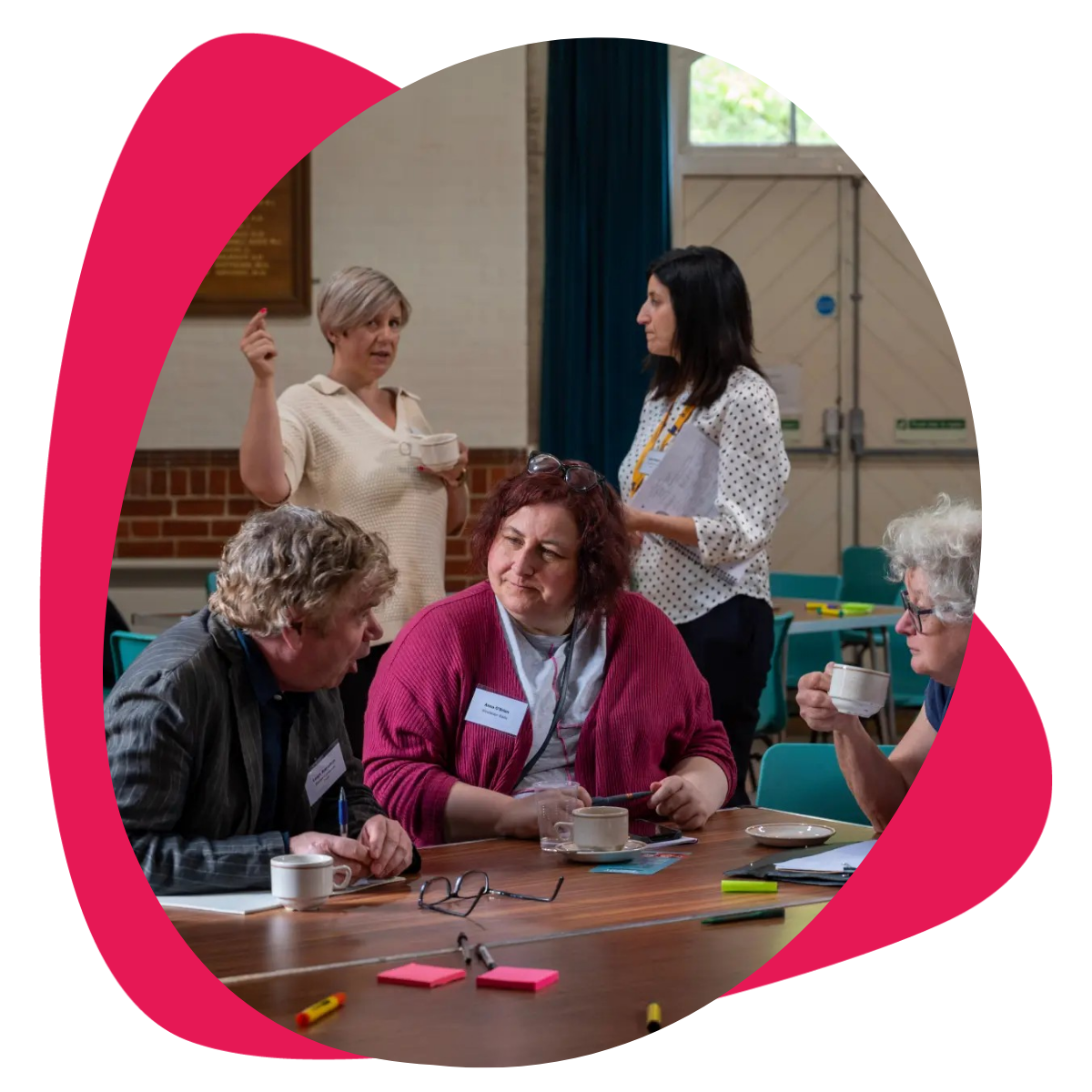
Last week I attended the ‘Introduction to Participatory Action Research’ course led by Dr Karen Lumsden at the Social Research Association, which was a super interesting course on, you guessed it, participatory action research. I’d come across participatory action research during my masters and instantly thought, this seems like a much better way to approach research than anything I’d ever been taught before. Therefore, when Action Hampshire took on the work of the Bill Sargent Trust, having to deliver one final research piece on poverty and homelessness, I knew participatory action research was the approach I wanted to take (follow this link to find out more about Bill Sargent Trust). However, being aware of the complexities of this approach, I thought it would be important to brush up on my knowledge and understanding, so off on this course I went!
I suppose at this point you’re wondering, well Jess what is participatory action research? As Dr Lumsden explained, participatory action research (also called PAR for short) is an approach to research that challenges the idea that the researcher is the ‘expert’ and instead centres participants’ experiences and knowledge by working with participants in most, if not all, stages of the research process. It can be viewed as a continuous cycle of action and reflection, that looks a little something like this (Crane and O’Regan, 2011, p.11):

Working alongside participants is important because the purpose of PAR is to create some form of positive social change that improves participants’ lives through the learning of the research (Kindon et al, 2007). The action taken could be personal or collective, on a local scale or a wider societal level, just a one off or regular activities – the options are endless but ultimately, the action taken depends on the context and intention of participants.
Participants’ involvement can be viewed as a continuum, with varying levels of decision making and participant-led activity (Kindon et al, 2007). At one end of the continuum is ‘co-option’, where participants are just sharing information and are not involved in decisions about the research. At the other end of the continuum, you have ‘collective action’, where participants drive action and decision making is shared with researchers and participants. Ideally, we want our research to incorporate the elements that make ‘collective action’ as this goes towards ensuring research is done with and not to participants.
As well as learning about the PAR process, we discussed its origins, links to theory, and associated methods, of which most are creative ones such as journaling and photo voice (using photos to tell a story). The course finished with small breakout rooms, where I got to hear about other people’s projects and chat through some of the successes and issues they had experienced. These discussions provided some helpful learnings which I will take into the Bill Sargent Trust project.
At Action Hampshire, we champion the use of PAR as we believe this is the best approach to achieving one of our mission objectives: promoting and supporting community-led and place-based action. In many of our projects we have used some form of co-production, part of the participation continuum. For example, our Raising Voices in Research project funded VCSE organisations to conduct two workshops with their communities to find out their needs and perceptions regarding research. The findings were then analysed and written into a Local Plan for Research that organisations were asked to review before it was launched. Follow this link to find out more about Raising Voices in Research.
I am really excited to continue working with local communities and put this learning into action, by taking a PAR approach for the Bill Sargent Trust research. To keep up with the research and its progress, click this link to read the updates!
References:
Crane, P. & O’Regan, M. (2010) On PAR: Using Participatory Action Research to Improve Early Intervention. Australia: Department of Families, Housing, Community Services and Indigenous Affairs, Australian Government.
Kindon, S.L., Pain, R., & Kesby, M. (eds.) (2007) Participatory Action Research Approaches and Methods: Connecting People, Participation and Place. London: Routledge.