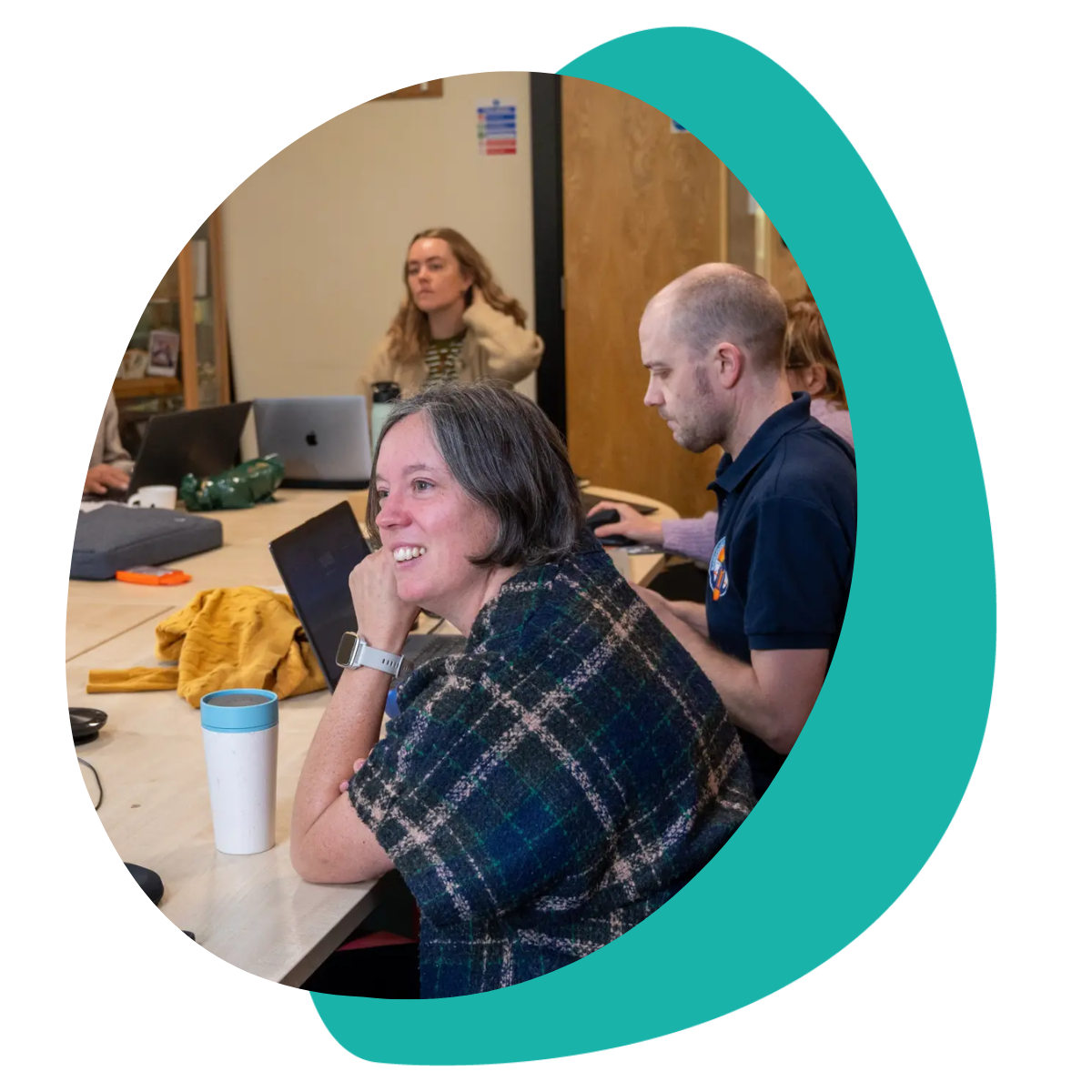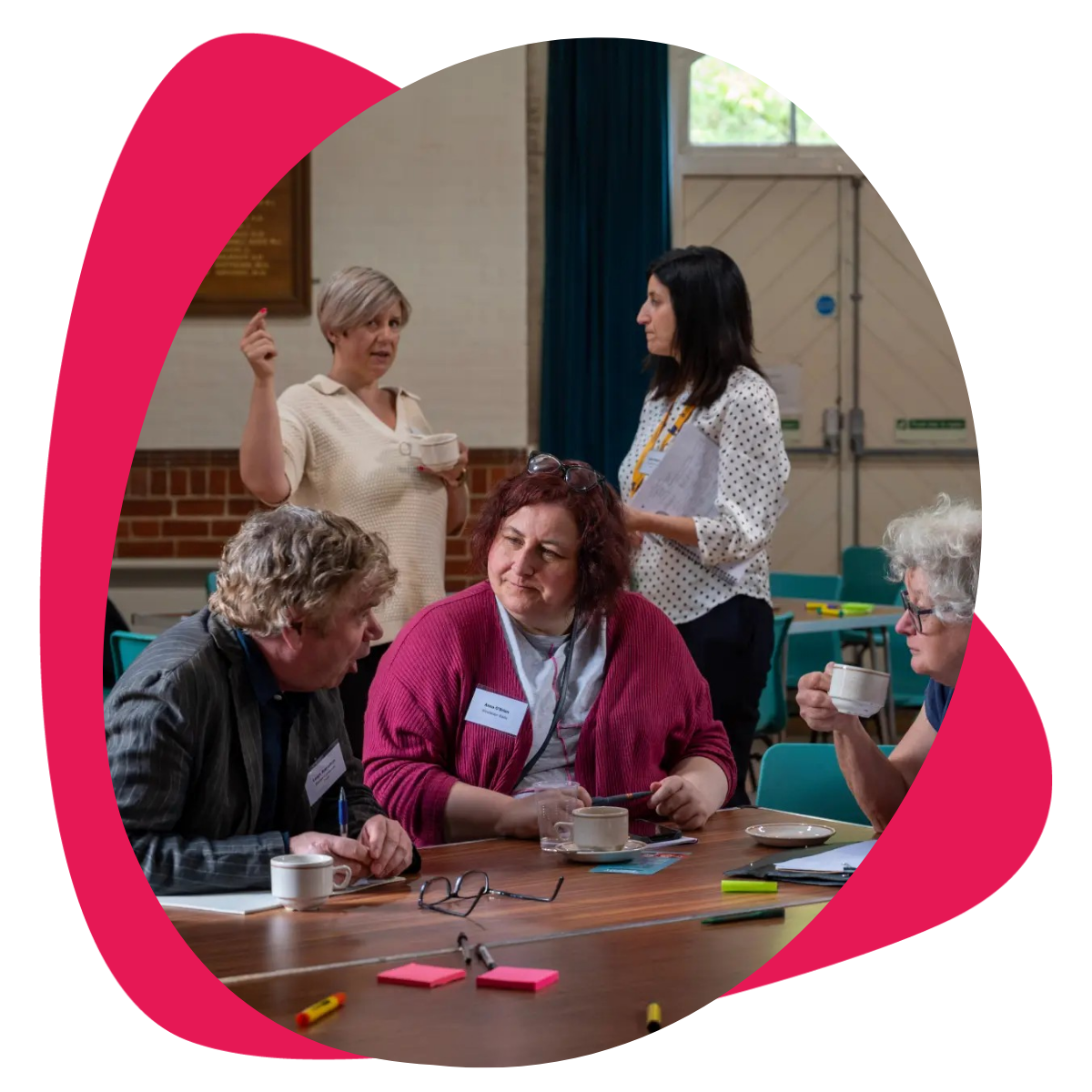
Working together with local communities to build a healthier Hampshire and Isle of Wight is at the heart of what we do at Action Hampshire. Our recent co-design communications project with the Integrated Care Board (ICB) and NHS Hampshire and Isle of Wight is a perfect example of this collaboration in action.
By bringing together community leaders and VCSE organisations we were able to discuss and workshop ideas that would help develop a campaign that resonates with a specific audience. We were so energised by the response to the workshops, we wanted to share some of the highlights with you that you can use in your own communications.
Listening to the community
Our co-design workshop was all about giving a voice to the communities the NHS aims to serve. We invited a diverse group of people from local catchment areas, including parents of young children and adults from differing ethnic backgrounds.
We discussed two key focuses of the NHS winter campaign:
- Empowering self-care: This is about helping people feel confident to manage their health, know when and how to use alternatives to the Emergency Department, and make the most of services like community pharmacies.
- Improving vaccine confidence: We aimed to understand what would encourage higher uptake of vaccinations, including winter flu and COVID-19 jabs, as well as childhood immunisations.
The feedback we received was clear: to create effective campaigns, we need to focus on what matters most to our communities. We discussed the campaigns across three areas: channel (where the messages should be placed), content (what the message should be), and context (how a message can be related to the local area).
The power of local and relatable messaging
Our participants were clear that the best way to reach them is through using both digital and non-digital channels. They highlighted the importance of posters and leaflets in trusted community spaces like local shops, restaurants, pharmacies, faith centres, and libraries. For parents, social media was noted as a useful tool, especially short video clips from local doctors and community leaders.
When it comes to the message itself, the workshop participants summarised their advice to:
- Keep it simple: Avoid medical jargon and complex terms. Use clear, straightforward language that focuses on symptoms and feelings, not just medical conditions.
- Make it relatable: Use inclusive imagery that features diverse faces. The group also suggested incorporating culturally relevant themes like cricket, popular foods, and faith holidays such as Diwali and Eid to make the messaging feel more personal.
- Maintain a positive tone: Participants favoured a supportive, friendly, and welcoming tone over one that might feel overly pressurising, preachy or condescending.
Trusted Voices and Channels
A key takeaway from our discussions was that the messenger is just as important as the message. People are more likely to listen to information when it comes from a trusted source. At the top of the list was friends and family but also included local doctors, community leaders, and trusted volunteers. The feedback highlighted the importance of in-person discussions at community events and faith groups, showing that word-of-mouth and face-to-face interaction remain incredibly powerful.
How to use this concept with your own campaigns
You’ve worked hard on a fantastic project with a message you know will change lives. But getting that message to the right people can be a challenge. Creating effective communication campaigns is more than just broadcasting a message. The message needs to reach the right audience on trusted channels, and be acted upon.
Building trust through the right channels
While digital platforms are essential, our workshop participants reminded us that trust is often built offline. For many community members, particularly older adults, information shared on a flyer on a noticeboard at a local library or a conversation at a community centre potentially holds more weight than a post on social media. The key is to meet people where they are, in physical spaces they frequent and trust.
Top tip to takeaway: Consider where your community gathers in person. Is it a faith group, a local café, or a community hall? This can also be applied to digital spaces as well. There may be a popular Facebook Group or WhatsApp channel that your message would be seen. Consider all the potential channels (both physical and digital) that could be considered a trusted source for your target audience.
Using language that resonates
It’s easy to get caught up in professional jargon and acronyms. However, our workshop highlighted a clear preference for messaging that is simple, positive, and human. Participants responded best to communication that was friendly and supportive, focusing on relatable concepts and emotional well-being rather than complex medical terms.
Top tip to takeaway: Review your messaging. Can you replace a complex or industry specific term with a simple, relatable one? Ensure your tone is welcoming and supportive. The most effective communication speaks directly to a person’s lived experience, making them feel understood and valued.
The most powerful tool
The most important lesson from our workshop is that effective communication starts with listening. The participants were our guides, and their feedback was the most powerful tool we had. By taking the time to understand their communication preferences, we can create campaigns that are not only more effective but also more respectful and inclusive.
Top tip to takeaway: Our time with the community was a powerful reminder that the best communications strategy isn’t about expensive campaigns; it’s about listening, understanding, and showing up where people are. So, the next time you’re crafting a message, don’t just think about what you want to say. Think about how your audience wants to hear it.
By engaging with your community early on in the campaign development, you can ask people what they need, what they value, and where they get their information. You may be surprised at what you learn, and your campaigns will be all the better for it!