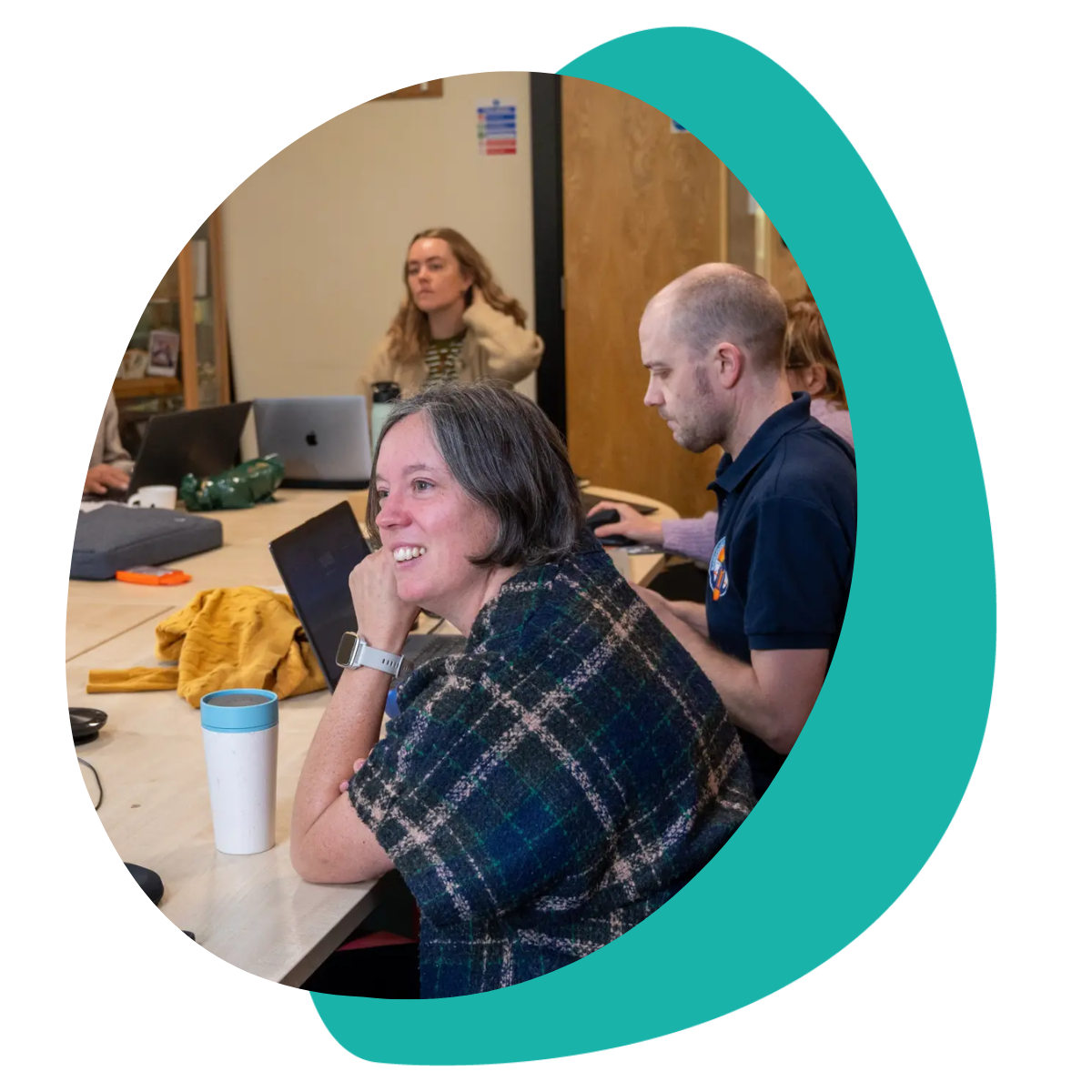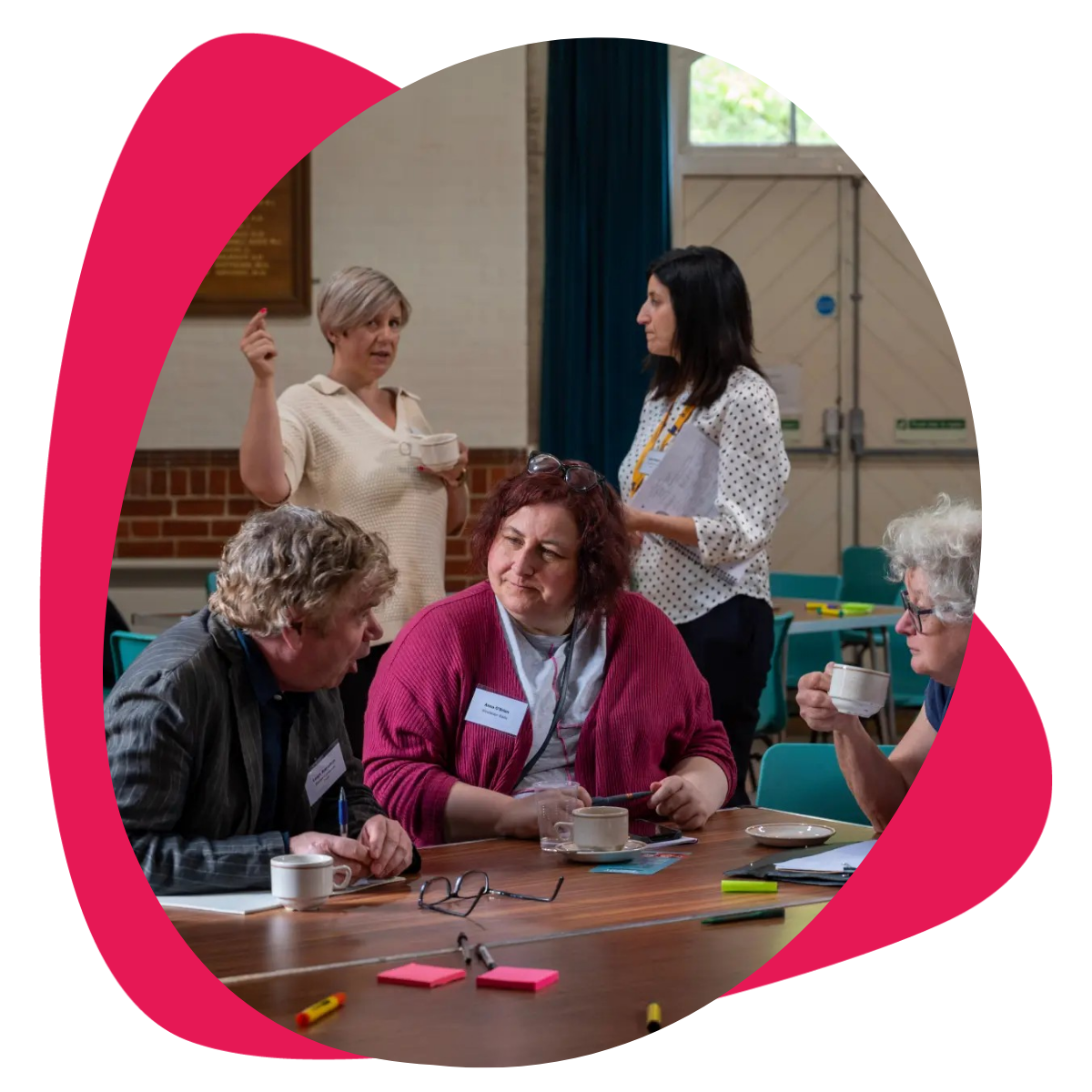
Our Communities Against Cancer project, run in partnership with Wessex Cancer Alliance addresses health inequalities in cancer diagnosis.
Action Hampshire supports organisations which work with people experiencing barriers to healthcare. Through our Communities Against Cancer project we deliver Cancer Awareness Workshops to organisations across Hampshire & Isle of Wight and Dorset.
Early diagnosis is key
We know that if cancer is diagnosed at an early stage, it is more likely to be treated successfully. So, minimising any barriers to detecting cancers and catching them at the earliest possible stage, is vital to improving cancer survival.
Raising awareness in seldom heard communities
Through our Cancer Awareness Workshops we start the process of raising awareness of cancer signs and symptoms and screening opportunities to VCSE organisations working with seldom heard groups and communities. We work with organisations to discuss effective ways of sharing the information with their beneficiaries. This can be done in many ways, for example, through storytelling, involving community leaders, healthy eating clubs or using translators.
Where do we see inequalities in cancer diagnosis?
According to research conducted by Cancer Research UK there are inequalities between some groups when it comes to being diagnosed with cancer at later stages. Research on breast cancer has suggested that there are differences in proportions of patients diagnosed at different stages by ethnic group. Language and cultural barriers may prevent individuals from visiting their GP or attend screenings.
For some cancer types, people from more deprived communities are more likely to be diagnosed at a later stage, giving them fewer treatment options.
How does cervical screening affect the trans community? It can be complex and distressing for this community and there can be confusion as to whether someone is eligible for screening. Sometimes, people may not be invited when they are eligible or instead may be invited when it is not appropriate. All of this can add to people’s reluctance, fear and lack of trust in health services.
Individuals with learning disabilities may also be less likely to attend screenings. In one of our workshops, a participant representing individuals with autism raised a concern that receiving an invitation to attend a screening might make some people feel excessively anxious. A person with autism (or other neuro-divergences) could take the situation literally and believe they were at greater risk resulting in an unnecessary fear, questioning why they have been ‘targeted’.
Would you like to help address health inequalities in your community?
If you’d like to get involved with our Communities Against Cancer project, the best place to start is by attending one of our Cancer Awareness Workshops. As well as learning about the signs and symptoms of cancer, screening options and how to seek medical advice, we’ll talk to you about the grants available to your organisation. Grants of up to £2500 are currently available.
Follow this link to find out more and register for a workshop
Follow this link to read Caroline’s blog about attending a Cancer Awareness Workshop
Useful resources about health inequalities
Follow this link for an article by Cancer Research UK
Follow this link for an article by the BBC